Pantry Basics Worth Understanding
A pantry works best when it is built around a small number of dependable staples rather than a long random shopping list. Grains, pulses, oils, tins and dry goods each solve a different everyday problem in the kitchen. Understanding what each category does helps you shop calmly and waste less.
This page explains the basic groups of a home pantry in general terms. If you want to see how these staples sit on supermarket shelves, our Shelf Notes page looks at pantry staples in more detail.
Nothing here is tied to a particular store or brand. The goal is simply to make the weekly shop easier to plan.
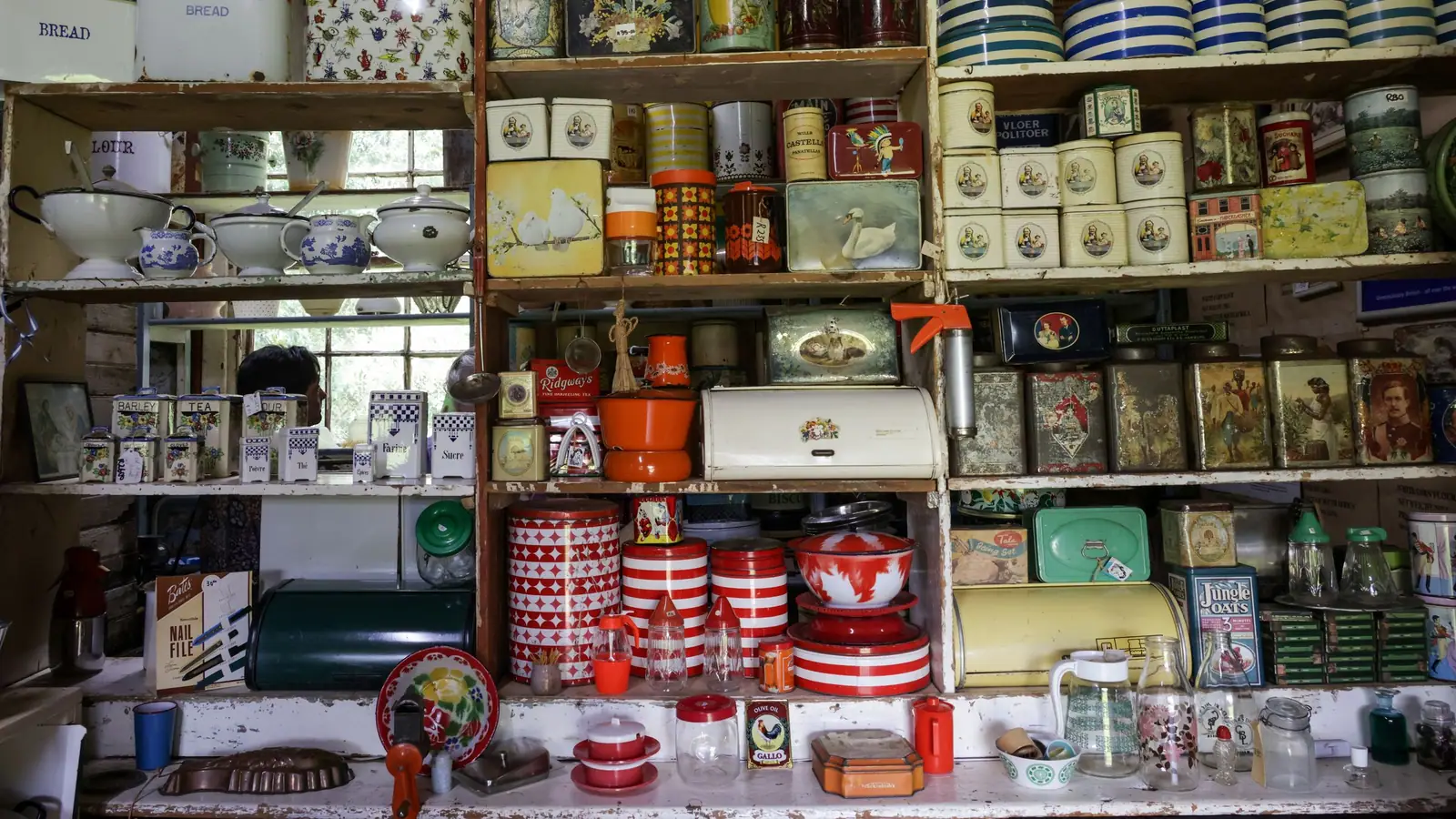
The Main Groups of a Home Pantry
Most pantries fall into a few broad categories, and each one earns its place through everyday use rather than novelty.
Dry grains and pasta
Rice, pasta, oats and flour form the backbone of countless simple meals. They store well at room temperature and adapt to almost any cuisine.
Pulses and tins
Beans, chickpeas, lentils and tinned tomatoes add protein and body to dishes without refrigeration. They are the quiet workhorses of a well-planned shop.
Oils and seasonings
A neutral cooking oil, an olive oil and a few basic seasonings cover most preparation methods. Small bottles keep flavours fresh for longer.
Long-life extras
Honey, vinegar, stock and dried herbs sit between categories and rescue meals at the last minute. A handful of these makes improvisation possible.
For a wider view of how everyday demand shapes what stores stock, the main page explains how grocery essentials earn their shelf space.
Frequently Asked Questions
How do I start building a pantry from scratch?
Begin with one or two items from each basic category and buy only what you already cook with. The pantry grows naturally as your routine settles.
Should staples always be bought in large packs?
Only when the item is used regularly and stores well. Large packs of rarely used staples often lead to waste rather than savings.
How often should a pantry be reviewed?
A quick check before each weekly shop is enough for most households. It prevents duplicates and keeps older items within reach.
Where can I ask a question about pantry basics?
Use the e-mail address on our contact page. Questions about staples, storage and shopping habits are all welcome.