Cart Trends: Reading Everyday Demand Calmly
Every shopping cart tells a quiet story about what people consider essential. Some items appear week after week without much thought, while others earn their place slowly. Reading these patterns calmly, without dramatic headlines, gives a clearer picture of everyday demand.
This page looks at how grocery baskets take shape and why staple products stay so remarkably steady. We keep the tone unhurried and stick to what general observation of shopping behaviour can honestly say — no inflated numbers, no invented surveys.
If you want a closer look at pantry staples themselves, the companion page Shelf Notes goes deeper into the products behind these habits.
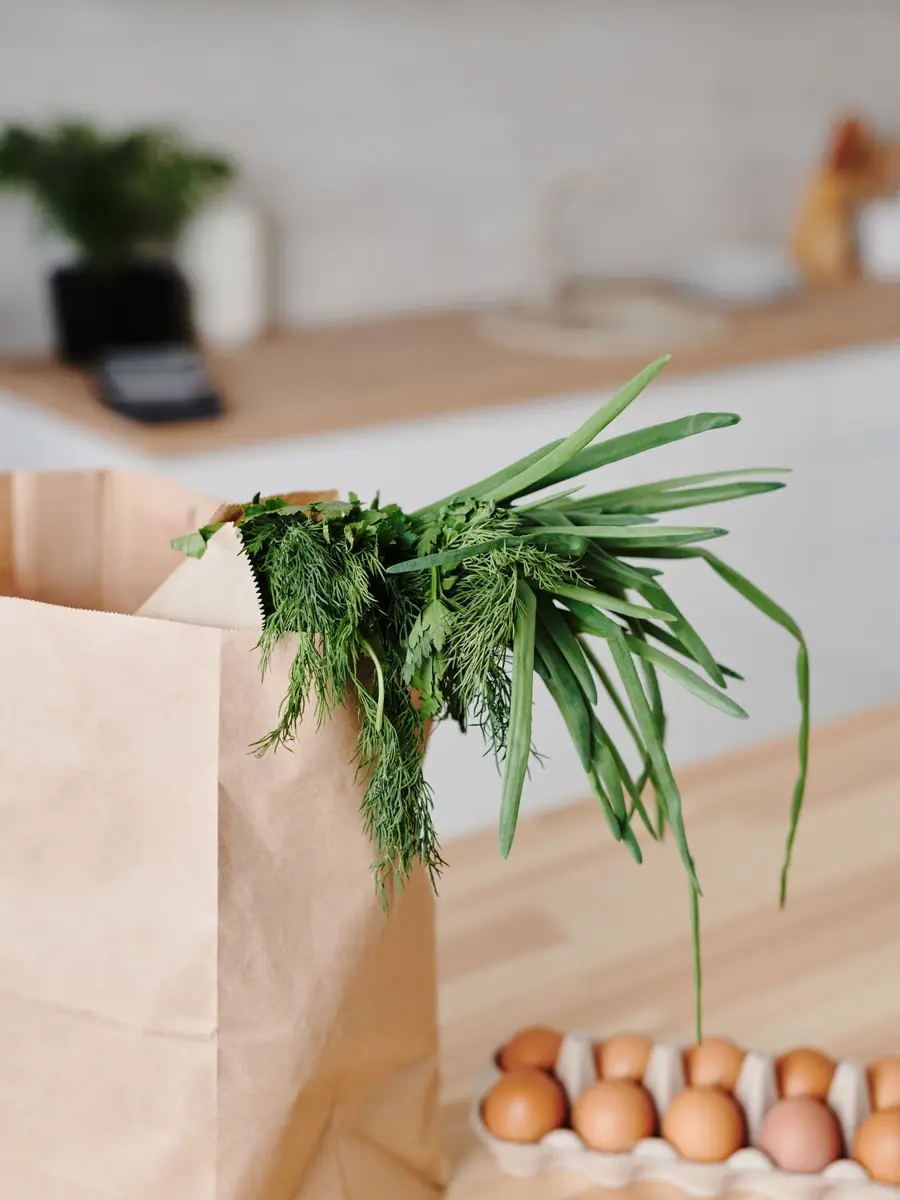
How Everyday Buying Habits Take Shape
Most households settle into a rhythm: a core list of grains, oils, dairy and preserved goods that gets replenished almost automatically. Around that core sits a slower, more deliberate layer of purchases, where price, packaging and habit all play a role.
When budgets tighten, shoppers rarely abandon essentials. Instead they shift — choosing store brands, larger packs, or simpler versions of the same products. Demand for the category stays, while the specific choices inside it move.
Seasonality adds another gentle wave. Warm months favour lighter meals and fresh produce, while colder ones push flour, rice, preserves and long-life milk toward the top of the list. None of these shifts is sudden; they unfold gradually.
What stays constant
- Basic carbohydrates — bread, pasta, rice and flour — remain anchor purchases.
- Cooking oil, salt, sugar and shelf-stable dairy substitutes rarely leave the list.
- Canned legumes and vegetables keep steady demand as reliable, low-cost staples.
What moves with the times
- Packaging preferences shift toward lighter, recyclable materials.
- Shorter ingredient lists influence choice more than loud marketing claims.
- Smaller, more frequent trips gradually replace one large monthly shop.
Observing these currents is exactly what our main overview page collects, and if a question about your own cart habits comes up, you are welcome to write to us through the contact page.
Common Questions About Cart Trends
Why do staple groceries stay so stable in demand?
Staples answer a daily, recurring need, so they are bought out of routine rather than impulse. Households adjust brands, pack sizes or prices before they adjust the category itself.
Do shoppers switch products when prices rise?
Often, yes — but usually within the same shelf. A buyer may move from a premium brand to a store brand or a larger pack, while the underlying need stays the same.
How does seasonality change a typical cart?
Warmer months bring more fresh produce and lighter meals; colder months push long-life, dry and preserved goods forward. The core staples remain present all year, only their proportions shift.
What makes a product an "everyday essential"?
A product earns that label when households replenish it regularly, keep it in stock at home, and rarely question whether to buy it again. It becomes part of the routine rather than a decision.